
Roaming: a column | somewhere between observation and critique | art and sound and movement by David Bernabo
In mid-October 2023, news broke that Epic sold Bandcamp, a company they acquired in March 2022, to Songtradr, an American business-to-business music platform that aims “to change the music industry for good through technology, creativity, and transparency.”
Part of that change, apparently, was laying off half of the Bandcamp staff, including it’s entire eight-person negotiating team for Bandcamp United, Bandcamp’s recently formed union, represented by the Office and Professional Employees International Union. (Technically, Bandcamp’s employees were laid off by Epic and half were hired by Songtradr.)
If you haven’t heard of Bandcamp, just know that it is the last corporate-level salvation for easy-to-access, international distribution of independent music. You can stream music, buy and download digital files, and purchase merchandise like vinyl, cassettes, t-shirts, books, and stickers directly from bands and labels. Bandcamp takes a cut of all sales, but the percentage retained by bands and labels is quite high, roughly 80% after Bandcamp’s share and Paypal processing fees.
The platform also offers a potent outlet for music journalism through their publication Bandcamp Daily, where, occasionally, Pittsburgh musicians gets repped. See “Six Bands to Know from Pittsburgh’s Flourishing DIY Scene” or stories about The GoToBeds and BusCrates.
So, people were freaking out about the acquisition, thinking that this might mean the end of the Bandcamp we know and, generally, love. Technology companies cosplaying as music companies haven’t been terribly artist-friendly, lately. And there are real fears that the artist revenue share could plummet, that algorithms could center popular artists, or that Songtradr’s licensing endeavors will infringe on the vibe of current-day Bandcamp. Given that every other social media or social media-adjacent company willfully partakes in enshittification, it doesn’t seem too extreme to prepare for a range of worst-case scenarios. Fingers crossed that nothing major will happen, but we’ll see.
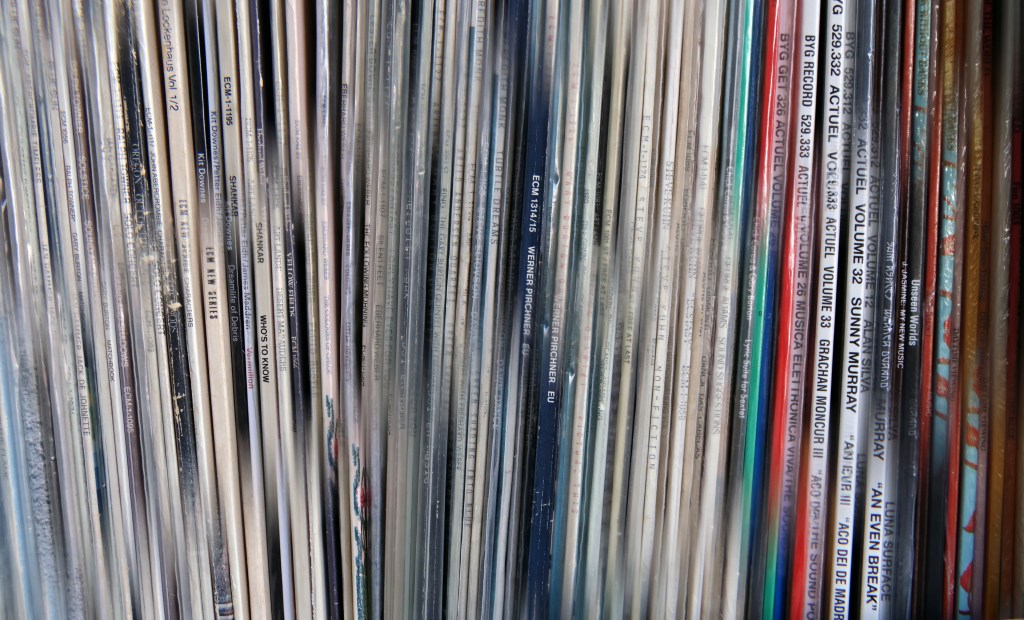
It’s not like the music industry has a great track record for supporting independent music. Consolidation and pandering to a moneyed class is the core story of the Western music industry. Look at three quick examples from the last 30 years.
Deregulation – looking at you, 1996 Telecommunications Act – paved the way for Clear Channel to add 1,200 radio stations to their, at that time, 40 stations. Before that act passed, companies could own a maximum of 40 radio stations. Clear Channel swept up the advertising dollars and ushered in cost-cutting measures to maximize profits. Economies of scale like shared programming across multiple stations and markets led to fewer DJs and a drastic decline in musical diversity.
Staying in the 1990s, after decades of consolidation, six companies controlled 80% of recorded music. A decade later, those six companies merged down to three. Cut to the 2010s or so – that consolidation of power and influence didn’t bode well for independent musicians when streaming came on the scene. Streaming, whether through Spotify, Apple, or Tidal, pays a pittance to musicians and the only winners are tech companies, their shareholders (though lately, they’ve been losers, too), and the top tier of wealthy musicians that use streaming revenues to supplement ridiculous incomes from touring and merchandising.
This push to the center, to the inoffensive, to the fleeting Top 40, reinforces the idea that independent music’s rightful place is on the margins and not a key part of our social infrastructure. There might be a badge of honor in that, but it just feels like a waste. (I’m going to tuck this thought away for a future column.)
Maybe these tales of corporate consolidation feel far removed from Pittsburgh’s music community. After all, there’s an argument to be made that Pittsburgh lacks the infrastructure to propel local music beyond our bridges–Wiz Khalifa, Mac Miller, and Girltalk being somewhat recent exceptions to that. But Bandcamp, more than most other music-related platforms, is central to many local musicians’ revenue streams and creative practices.
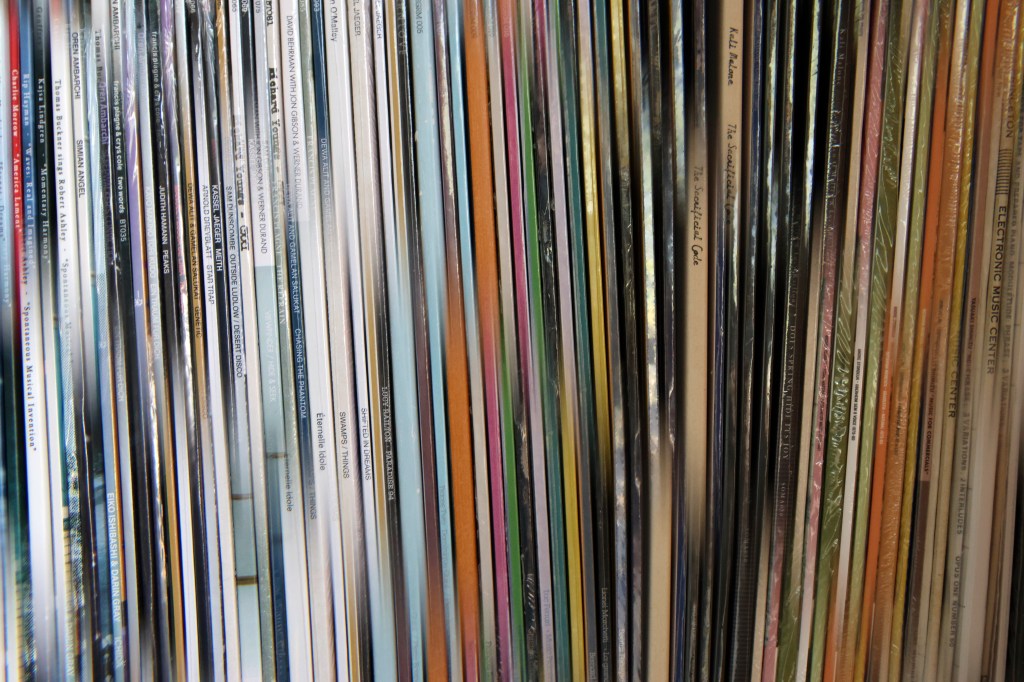
As the owner of a label – sure, Ongoing Box isn’t a legal entity; more of a name under which a bunch of money-losing, but creatively rewarding projects are grouped – the threat of losing Bandcamp strikes a multi-pronged blow. Bandcamp is my label’s main source of income for recorded music. Nearly 75% of vinyl, book, DVD, and cassette sales and 100% of any digital music revenue filter through Bandcamp. In-person, live event sales make up remainder. Bandcamp also acts as a website for the label. It houses all of our music releases. Any new release is automatically announced, via a Bandcamp-generated email, to previous buyers, allowing the label to build a following. The Bandcamp interface and functionality are simple, but very effective. The existence of Bandcamp also provides me, personally, with motivation to create more music since there will be a home and a small audience for it. Bandcamp is a place to organize things and give them context through written description and proximity to related releases.
Connor Murray, owner and founder of Crafted Sounds, home to bands like Gaadge, The Zells, and Merce Lemon, likewise, owes a lot of the label’s success to Bandcamp. Crafted Sounds started on Bandcamp, and “the vast majority of our sales happen on Bandcamp,” says Murray. “I am not exaggerating when I say it accounts for at least 75% of our revenue. I have a whole other store on my label website, but folks do not order through there often.”
Murray gives props to features like easy to create download codes for supporters (see below), private embeds for album rollout on blogs, critically-underrated tax handling through enhanced payments, and editorial features on Bandcamp Daily. “If it wasn’t for the eventual support of Bandcamp Daily I do not know if this label would even be a thing still. When looking back, the editorial support of the Bridges compilation in 2019 was profoundly important to me and was quite a turning point for the label as far as ramping up releases and the effort that was put into them.”

I don’t know about you, but I have a fear of being duped. I’m uneasy with any large purchase, because even if I was able to talk the price down a bit, I can’t shake the feeling that I could have gotten a better deal, even if something doesn’t cost anything, like Bandcamp. [Note: Bandcamp is not always free. Label accounts pay a fee to Bandcamp. $20-50/month depending on the number of artists on the label.] Original Bandcamp didn’t seem to have those extractive intentions. The business model is simple. And you could find Bandcamp employees posting about music on social media. The people inside the company were like us – music fans, listeners, record nerds, and musicians.
Epic’s purchase of Bandcamp signified that this community was beholden to corporate interests, to shareholders, to bottom lines only understood in the context of infinite growth. Indie labels manufacturing 100 copies of an LP do not require infinite growth. They only require 100 fans to purchase those 100 copies. Maybe they could grow to manufacture 300 or 500 copies of an album. Maybe 1,000, but probably not much more than that. Scaling a business that relies on many small producers takes time. It requires maintaining trust and integrity. At least, I’d like to think so.
If you didn’t know about Epic’s purchase of Bandcamp, you might not have noticed that it happened. The platform didn’t change dramatically. Phew. But Songtradr’s effective firing of half of the Bandcamp staff points to it not accurately valuing what it purchased, a beloved music distribution platform and publication. It’s a red flag. It’s skeezy. And it produces a fear that Songtradr will make decisions without thinking about Bandcamp’s core users.
I’m not afraid of immediate sweeping changes to Bandcamp. Songtradr doesn’t appear to have some egomaniac at its helm. But I do fear a slow creep of Bandcamp worsening, fans losing trust or interest in the platform, and a shrinking of usage and sales.
I don’t have a great backup plan for Ongoing Box if Bandcamp goes down the tubes. I thought about moving to a subscription model on Substack, but then I’d beholden to a different, already ethically-iffy company. My leading plan is to drive around blasting new releases from my car window. The wasted gasoline could be balanced by fewer trips to the post office and less packaging, because now I’m sellings LPs to strangers that approach my car.
Murray has a much better backup plan for Crafted Sounds. “We do have our website. If Bandcamp fell apart we’d sell from there and do our best to direct folks there. We are ready for that if things go south, but I am hopeful things won’t come to that. Aside from that our music is on streaming services and we’ve been working harder with our distributor to get our vinyl copies in indie stores.”
***
Crafted Sounds graciously provided a few download codes for those with quick copy and paste skills. Redeem the follow codes at bandcamp.com/yum.
agze-33ak
e538-6tqd
dlby-7j9x
kexw-e6fm
khbr-uzgf
u8ce-ugj6
9yel-35kf
yu6h-xftm
mzhf-eu9y
David Bernabo is an oral historian, musician, artist, and independent filmmaker with a deep interest in local history and its repercussions on today’s Pittsburgh.
 PETRICHOR
Leave a comment