by Zach Hunley
On the evening of February 27th, Pittsburgh-area photography professionals, enthusiasts, hobbyists, and the like convened at the Braddock Public House for a workshop to discuss something bold and new on the horizon: a non-profit community center and darkroom dedicated to the art and craft of photography—Braddock Photo Works. in speaking to those who attended, I have gathered that BPW is a sorely needed resource for the Pittsburgh photo community. I spoke with founder and long-time Braddock photographer, Bob Ketcham, about the outset and goals of the organization, the outcomes of the meeting, and the exciting possibilities on the horizon.
—
Bob Ketcham has been photographing Braddock for 23 years. Throughout that expanse of time, Ketcham has become enmeshed in the community, both at a social level and through his work. He published an extensively-researched photo history book on The Ohringer Home Furniture Company, an iconic fixture of the Braddock streetscape, and has another in the works on the Braddock Carnegie Library. Bob Ketcham knows Braddock.
The idea of a community photo center has been percolating in Ketcham’s head since the days of Pittsburgh Filmmakers, a legendary non-profit that stood as one of the nation’s longest-running media arts centers, operating from 1971 to 2019. Ketcham did not have a dark room of his own to work in prior to opening PF, and he needed the resources. With the shuttering of Pittsburgh Filmmakers, and community darkrooms throughout the city existing at a generally informal, underground, DIY capacity, Ketcham identified a resource void he hopes to mend with Braddock Photo Works.
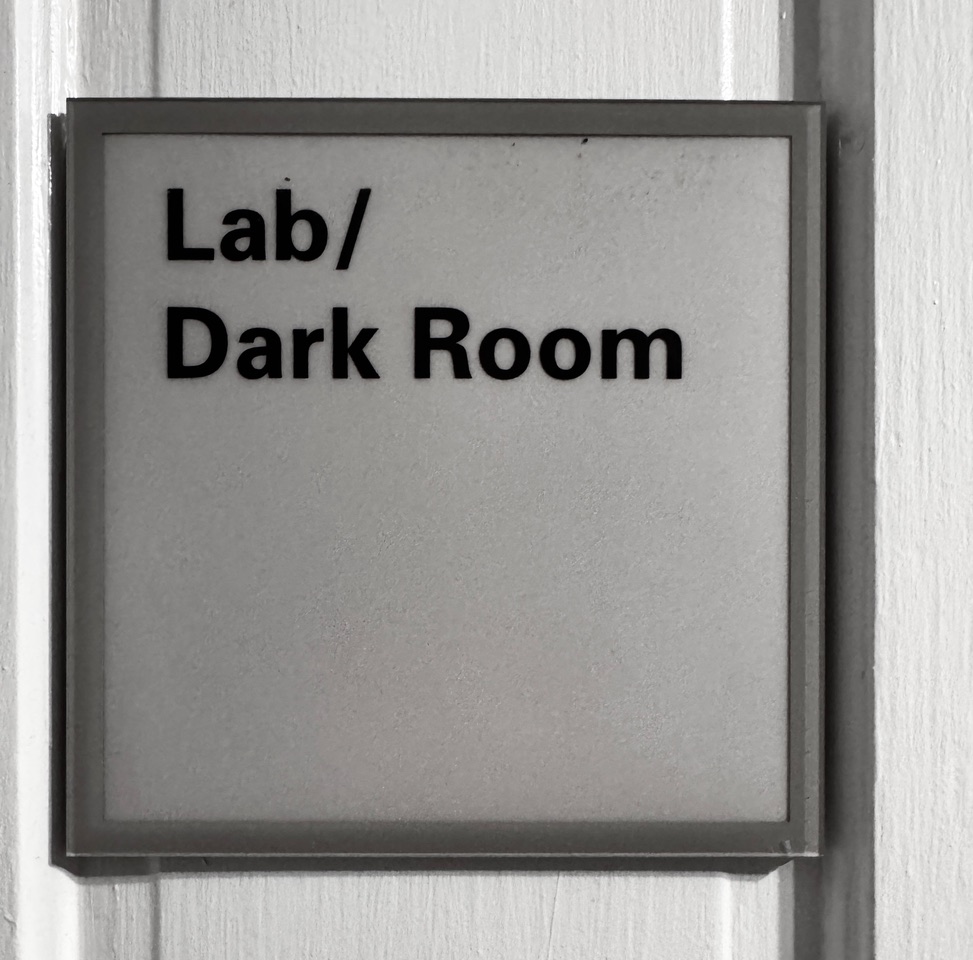
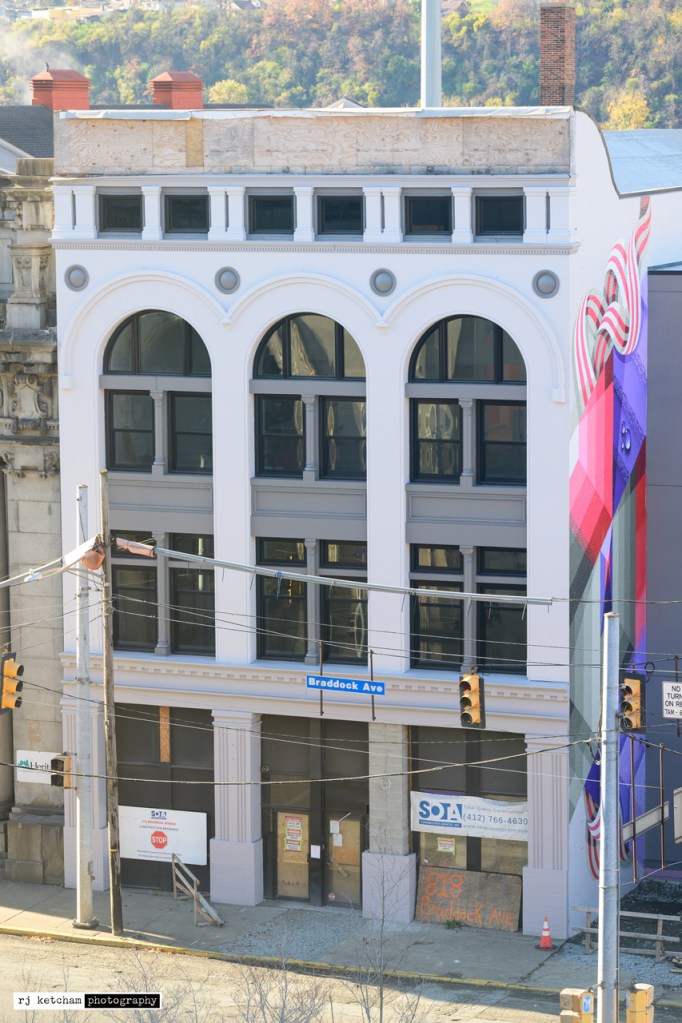
The goals of BPW are more than admirable, centering education and community around the art and craft of photography. These goals are already more than just lofty ambition. Ketcham has secured space along Braddock Avenue, at a historic building formerly occupied by a UPMC Children’s dental clinic. Ketcham was tasked, before conceiving of BPW, with taking documentation photos for the building’s owner, who sought to have the building added to the National Registry of Historic Places.” He was taken by the door labeled “Lab / Dark Room” from the previous structure — a lightbulb moment.
The space is a 5000-square-foot blank canvas, to be filled with all manner of photographic tech and tool—from the development of film, to enlarging, scanning and printing. The photo center itself will occupy over half of the floor plan. For those primarily working digitally, there will be computer stations for digital editing. Those seeking more experimental mediums or alternate processes (think wet plate or palladium prints), BPW will have you covered. It will also house a gallery, a photo book library, and a fully-equipped photo studio. Ketcham wants to cultivate an approachable space where everyone interested in photography, regardless of experience and skillset, feels welcomed and at home.
As BPW goes through the process of incorporating as a non-profit, I was curious what was being ideated regarding public access to the space. Currently, there are a couple of options being weighed: hourly, drop-in rates and various membership rungs with different purposes and perks. These rates will be aligned with the costs associated with access to the wide range of materials PBW’s planned material offerings.
Beyond private use of the photo lab space, there will be events and workshops — such as how-to courses with professional photographers and lectures on topics such as the history of photography—that will be open to the public. Partnerships with local photo clubs, youth groups, and schools are also in the works. BPW will strive to be a material and educational landing pad for anyone interested in photography.
The initial meeting at Braddock Public House saw 35 “hardcore lovers of photography at every skill level” (as Ketcham put it) attendance—precisely who Ketcham hopes to attract. The excitement was palpable, and Ketcham left with his confidence in the need for and interest in the project validated, and his desire to see it through freshly renewed. One big topic tossed around the group, beyond the practicalities of what should be offered at a facilities level, was the importance of photography as a medium.
In the face of our image-saturated social media economy, the role of photography as a craft and as an art is so often lost. With the rise of AI, the stakes for artists are higher than ever. Braddock Photo Works will endeavor to do its part in ensuring the vitality of photography, as art and as craft, are not lost in the Pittsburgh region. I am eager to see this future take shape.
—
Braddock Photo Works, still in its infancy, does not currently have a website (though one is in the works, to be generously provided. A web developer who was in attendance at the preliminary meeting has generously offered to provide one in the future). For updates on the facility and preliminary programming — potential photo walks through Braddock, coffee and camera visits in the space throughout the renovation, and fundraisers — keep an eye on BPW’s Instagram, @braddock_photo_works.
Zach Hunley (they/he) is a Pittsburgh-based modern and contemporary art historian, critic, photographer, collector of things, and proud father to a senior guinea pig. With a keen observational eye, they use their writing as a means to refract their deep appreciation for formal aesthetics through a socially engaged lens. They hold an M.A. in Art History from West Virginia University, Morgantown, WV, and currently docent for the Troy Hill Art Houses.
 PETRICHOR
Leave a comment